


How to Compare Hardware Suppliers at CAIHE 2026 in a New Market
Comparing hardware suppliers at CAIHE 2026 works best when you build the shortlist before the floor opens and use the fair to test three things: product fit, certification, and the supplier’s ability to deliver. CAIHE is the Central Asia International Hardware Expo, a first-edition trade fair running from 24 to 26 November 2026 at Uzexpocentre Pavilions 3 and 4 in Tashkent. Buyers come for Uzbekistan’s construction pipeline and the wider Central Asian market, not just for a booth list. With more than 200 international exhibitors and no past visitor numbers to lean on, your comparison needs structure, not guesswork. This guide gives you a repeatable method for comparing suppliers and products when the market is new to you.
Start With the Market, Not the Booth
Before comparing suppliers, write down what your customers need. Uzbekistan’s construction story gives you the first filter. The country is carrying more than 750 large-scale projects and planning more than one million new homes by 2030. That demand spans power tools, hand tools, fasteners, building hardware, welding equipment, and safety products. If you buy for Kazakhstan, Kyrgyzstan, Tajikistan, or Turkmenistan, test the same list against local import and retail conditions. A supplier that matches the region is more useful than a supplier with the broadest catalogue.
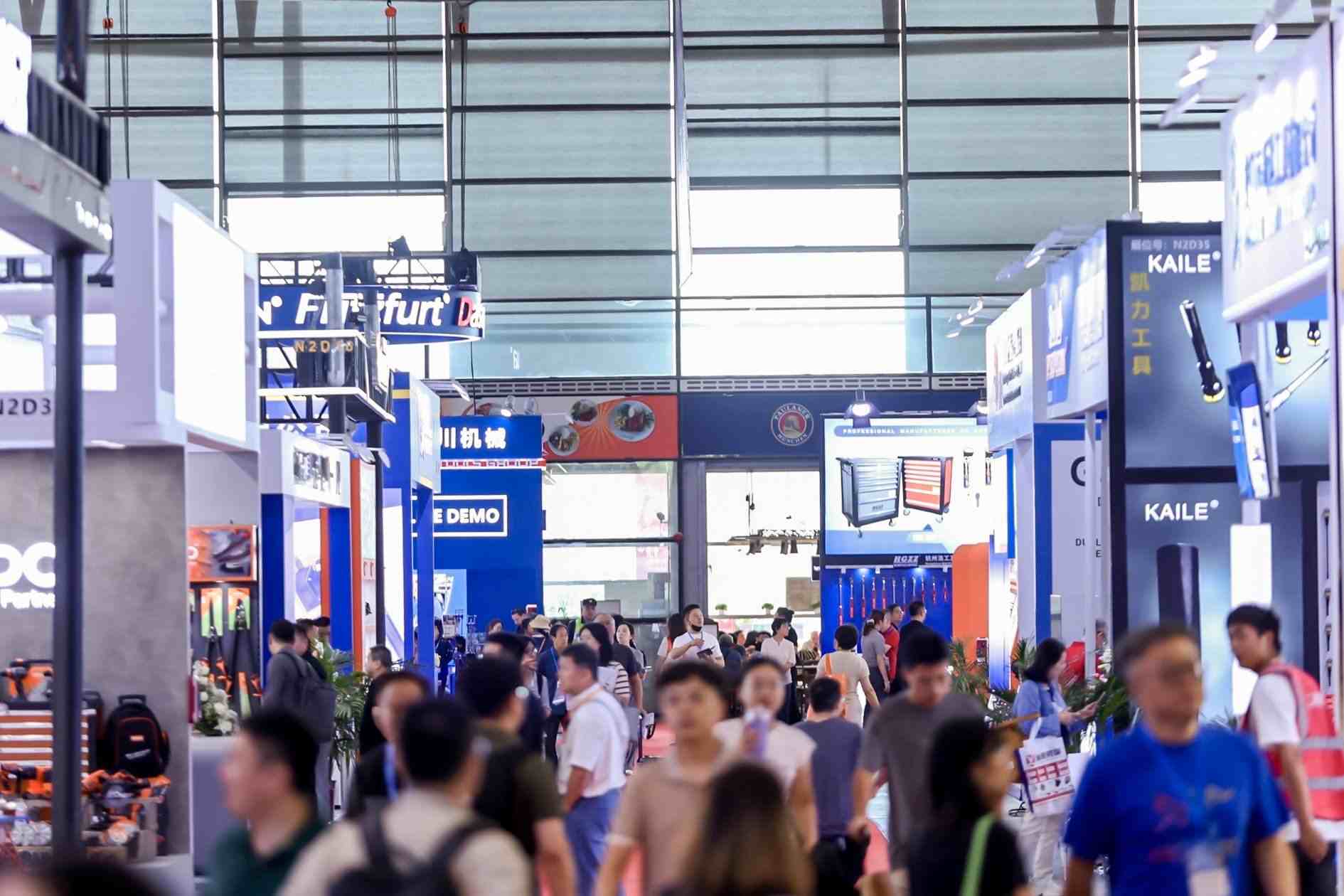
Start by defining the product range, the end customer, and the price band. Then set the hard requirements for certification, packaging, and documentation. This becomes your comparison baseline. When every booth conversation starts with the same set of questions, booths stop blurring together.
Decide What Comparable Means Before the Floor Opens
At a new fair it is tempting to compare booths by size, samples, or how busy a stand looks. Those signals help only after you know the commercial and technical facts. We recommend collecting the same six data points from every supplier you consider. This is the core of a comparison that survives after the event.
| Factor | What to record at the booth | Why it matters for Central Asia |
|---|---|---|
| Product specification | Model, material, rated capacity, voltage, packaging | The same general label can hide different performance in local use |
| Certification | Eurasian Conformity (EAC) or GOST, CE, test report number and validity | Unverified documents can stall import clearance |
| Supply type | Factory or trading company | Affects consistency, customization, and accountability |
| Order terms | MOQ, sample policy, deposit, payment terms | Changes first-order cash and negotiating room |
| Lead time | Production weeks plus overland transit to Tashkent | Seasonal buying and project schedules depend on realistic timing |
| After-sales | Warranty, spare parts, complaint response | A distant supplier creates more risk if support is weak |
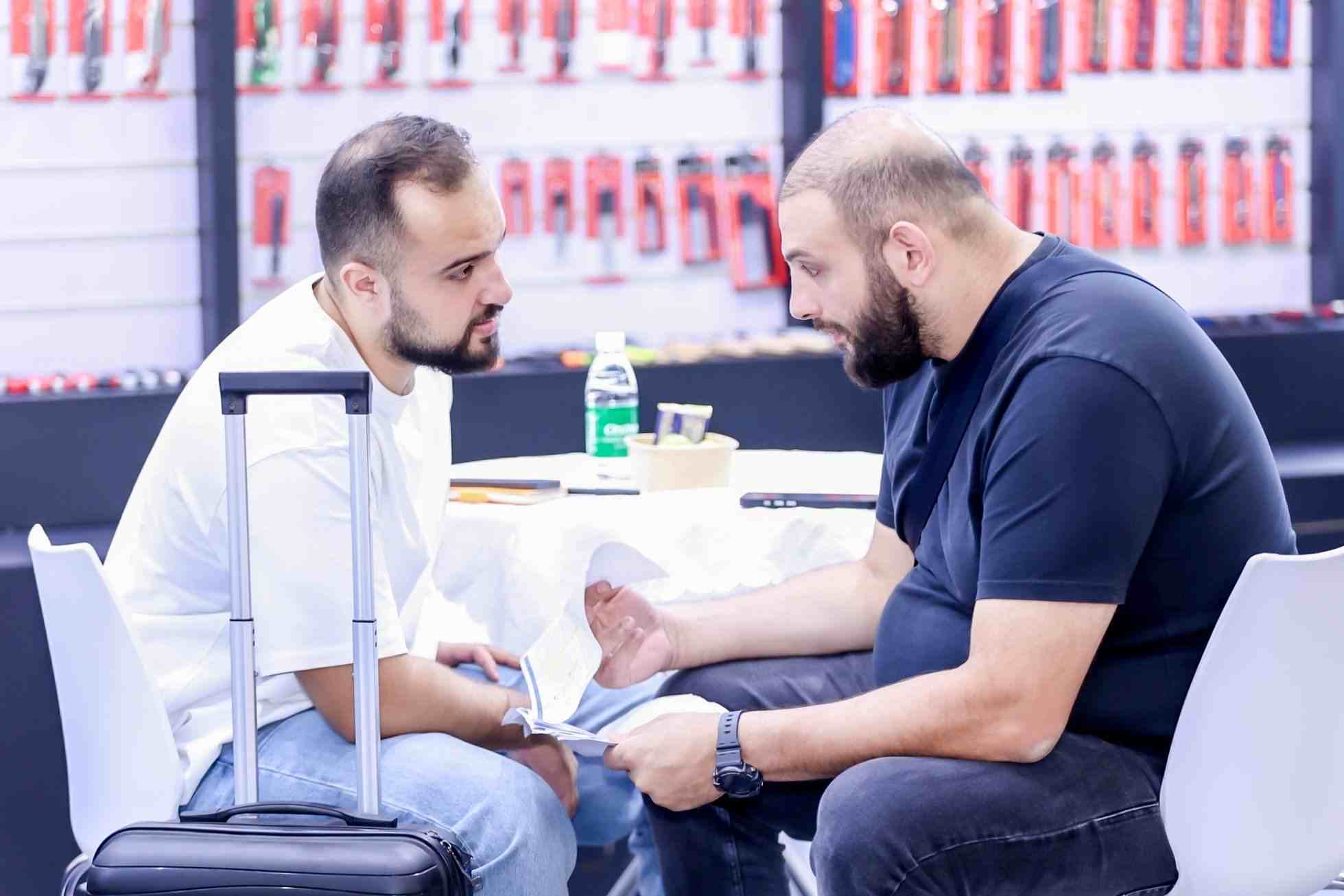
Do not compare a factory and a trading company as if they are the same category. Both can be useful, but the questions should differ. A factory should be able to explain production steps and change control. A trading company should be able to show reliable logistics and multiple factory sources. You do not need to decide the final winner at the booth. You need enough comparable data to rank the shortlist later.
Build a Supplier Scorecard for First Meetings
Use the scorecard below to turn booth conversations into records. Mark each item as required or optional before you arrive. Required items decide whether the supplier can be shortlisted. Optional items help you separate two similar suppliers.
| Step | Required | What to check |
|---|---|---|
| Confirm company identity | Required | Legal name, business license, export markets, stand number |
| Match product certification | Required | EAC or GOST documentation, or recognized CE coverage for the exact product range |
| Request sample terms | Required for first order | Sample cost, courier route, lead time, and whether the sample matches production |
| Compare delivery terms | Required | FOB, EXW, CIF, DAP, and which party handles overland links |
| Ask for a regional reference | Optional | Previous buyer in Uzbekistan or a neighboring market |
| Review after-sales plan | Optional | Spare parts, warranty process, response time |
Keep one scorecard per supplier. Write the answers at the booth, not from memory at the end of the day. If a supplier cannot answer a required item, ask when they can provide the document. Do not let a strong conversation replace the missing fact. At CAIHE 2026, the useful supplier is not always the most persuasive. It is the one that can document what it claims.
Compare Products Against Regional Demand
Product comparison should start with the categories your buyers actually ask for, not with whatever the booth displays first. Central Asia’s current demand is concentrated in power tools, hand tools, fasteners and fixings, building hardware, welding equipment, and personal protective equipment. Within each category, compare the same use case. A cordless drill for indoor maintenance may not match a drill required on a large construction site. Ask for voltage, battery platform, spare parts coverage, and the expected service environment. For hand tools, compare material, handle design, and the relevant standard or test report. For fasteners, surface finish and size tolerance matter more than a broad product count.
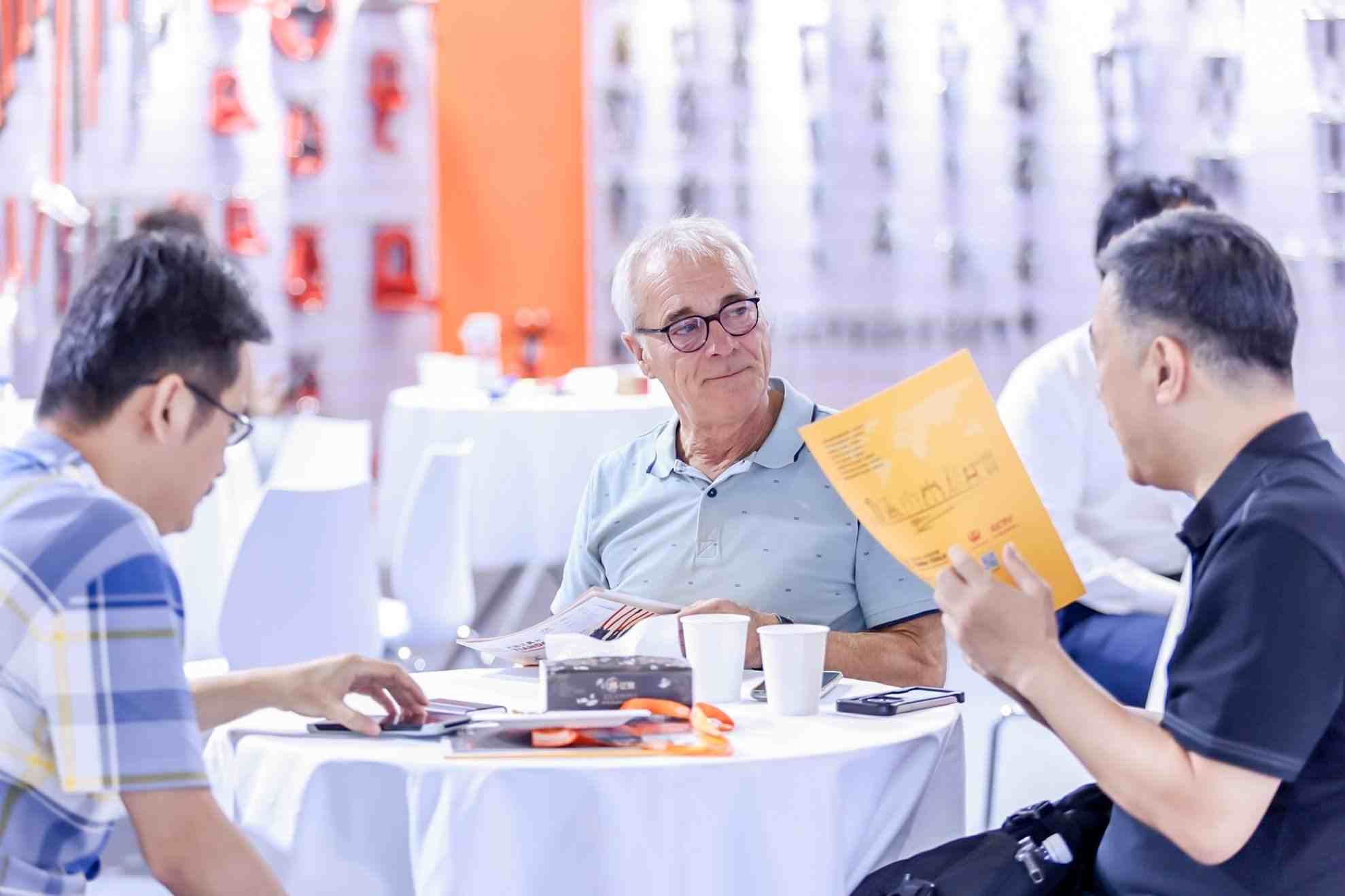
At the fair, request product data sheets rather than relying on display samples. A sample shows finish and feel. A data sheet shows rated performance and compliance. If a product line is new to the region, ask whether the supplier has a plan for spare parts and warranty support in Central Asia. This question often separates a committed exporter from a short-term seller.
Verify What the Booth Cannot Show
Some risks are invisible at a trade fair. Certification documents can be expired, incomplete, or copied. A factory may have good samples but weak export discipline. Payment terms can protect you only if the supplier’s documentation is clear. We recommend a simple verification rule: trust the document, not the explanation. Ask for the certificate number, the issuing body, and the valid product scope. If the certificate scope does not cover the product you are buying, it is not a valid certificate for that order. This matters when goods enter countries that recognize EAC or GOST conformity.
First-edition events do not hide their newness. They change the buyer’s job. There are no past visitor numbers or legacy record to quote for CAIHE. That is why early buyers should compare more actively rather than rely on the fair’s reputation. The advantage can be real: early supplier relationships are often formed before a fair becomes crowded. But the same newness means you should not assume every exhibitor is already a proven regional partner. The scorecard and the verification checks protect you.
CAIHE is organized by Koelnmesse and Inter Dialog, with the China Chamber of Commerce for Machinery and Electronic Products (CCCME) and CCI Uzbekistan as partners. That network is a useful credibility signal for a first edition, but it does not replace your supplier-level checks. Use the event’s backing to get in the room, then use your own scorecard to decide.
Turn the Fair Into a Shortlist, Not a Purchase Decision
After two or three days of meetings, stop trying to choose a winner in Tashkent. Your job is to leave with a ranked shortlist, complete contact details, sample commitments, and the next verification step for each supplier. The first order should follow a small trial, not a full container. A trial lets you test product quality, packaging, communication, and the supplier’s ability to keep a promise. In a new market, this is the lowest-cost form of confidence.
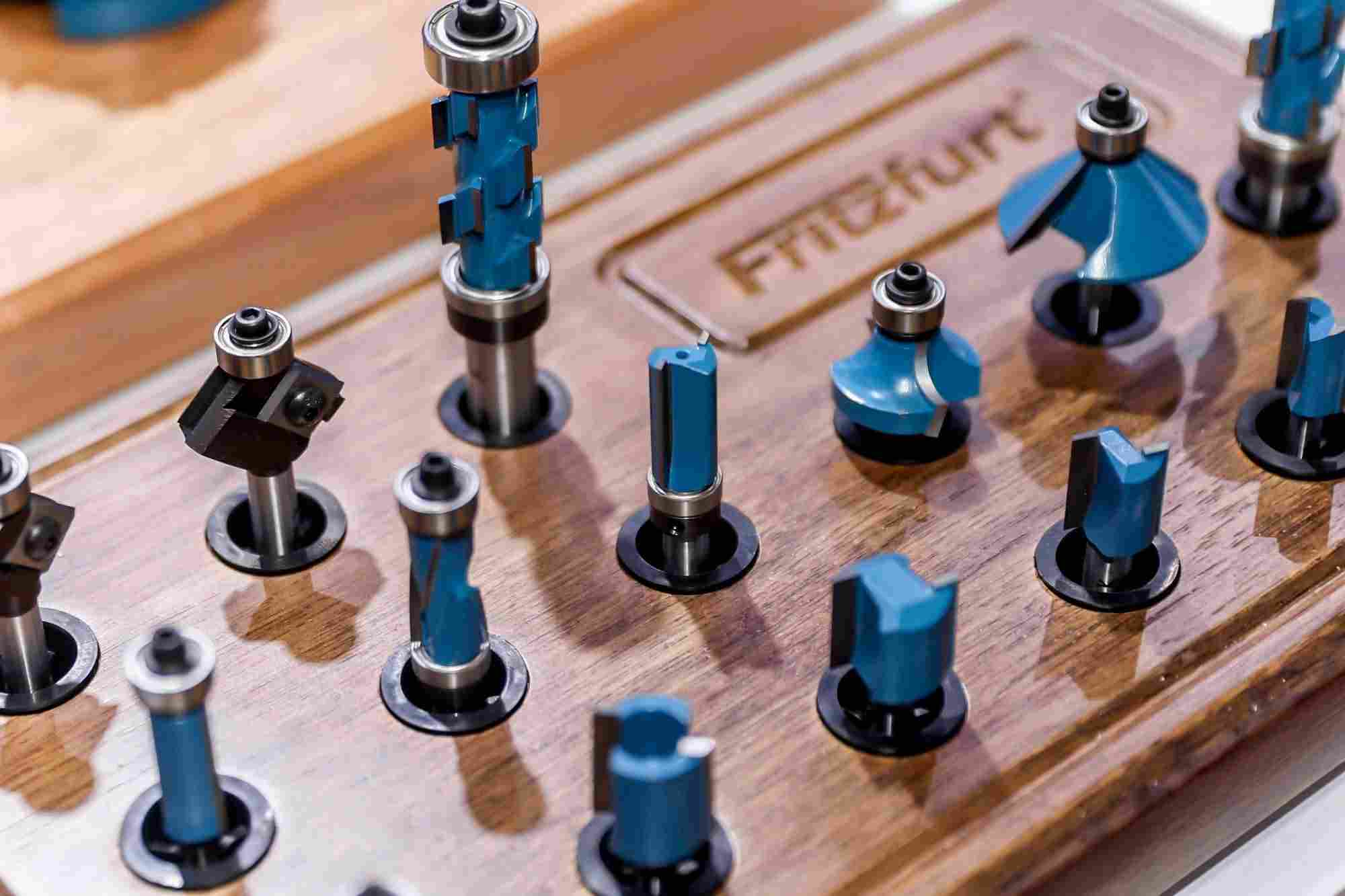
Write the follow-up sequence before you leave. Within 48 hours, send each shortlisted supplier a short email that restates the products and the open points. Within 30 days, complete the missing documents. Within 60 days, place a sample or trial order with the strongest candidate. This rhythm turns a busy fair into a structured sourcing process. Buyers who treat CAIHE as the start of the evaluation usually make better first orders than buyers who try to close everything at the booth.
Plan Your CAIHE 2026 Sourcing Visit
Pre-register as a trade buyer before the fair, and apply for the CAIHE Hosted Buyer Programme if you qualify. The team can help with buyer badges, supplier matchmaking, and the practical details of visiting Tashkent. For questions about CAIHE 2026 registration or the Hosted Buyer Programme, contact the CAIHE team at zoey.yue@koelnmesse.cn or +86-21-6390 6161 ext. 828.
FAQ
Is CAIHE 2026 only for large importers?
No. The fair is designed for distributors, wholesalers, retailers, project buyers, and procurement teams. The comparison method works whether your first order is a pallet or several containers. The main difference is how you use the scorecard. Small buyers may prioritize low MOQs and reliable mixed shipments, while large buyers compare production capacity and continuous supply.
Do I need to place an order at the fair?
Most buyers should not feel pressure to sign a full order at a first meeting. The better outcome is a shortlist, verified documents, samples, and clear next steps. A supplier that insists on an immediate large deposit deserves extra scrutiny. A smaller trial order after the fair can test both the product and the supplier without exposing your main stock to unnecessary risk.
Which certifications should I check in Tashkent?
Ask for EAC or GOST conformity where required, and check whether any CE or other certificate covers the exact product range. Request the certificate number, issuing body, and validity date. If the product scope does not match, ask for a corrected certificate before you buy. The safest move is to record the document and verify it through the issuing body or an authorized representative before payment.
How do I compare Chinese and local suppliers fairly?
Compare them on the same commercial and technical criteria, not on their country of origin. A Chinese factory may offer stronger production scale and customization. A local or regional supplier may offer faster delivery, local service, and easier maintenance. Use the same scorecard, then weigh lead time, certification, payment terms, and after-sales against your market’s actual demand.
Contact us
-

Ms. Zoey Yue
+86-21-6390 6161 ext. 828
zoey.yue@koelnmesse.cnMr. Edward Gao
Tel: +86 10 6590 7766-765
Fax: +86 10 6590 6139
Edward.Gao@koelnmesse.cn