


Meet Hardware Suppliers and Build B2B Ties at CAIHE 2026
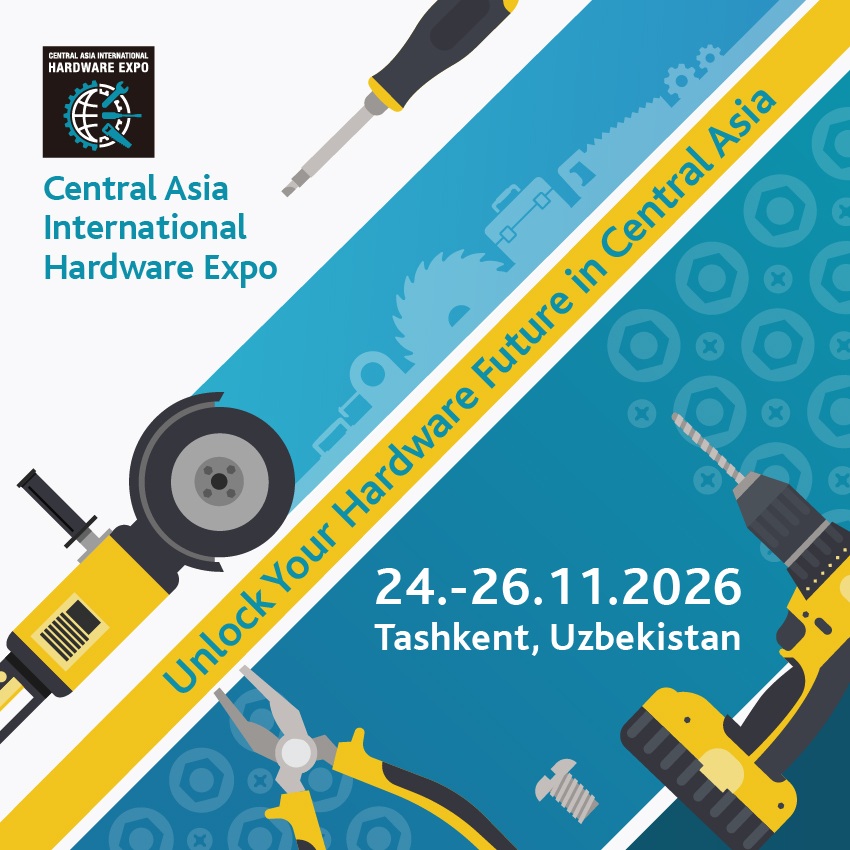
CAIHE 2026 opens at Uzexpocentre in Tashkent from 24 to 26 November 2026, and it is built around one task: putting international hardware suppliers in the same halls as the buyers who distribute tools, fasteners and building hardware across Central Asia. More than 200 exhibitors are expected. This is the first edition, so there are no past visitor figures to quote and no track record to lean on. What can be described is who is coming, what a productive supplier meeting looks like, and how to leave Tashkent with a shortlist of partners instead of a bag of catalogues.
What CAIHE 2026 Is and Who You Will Meet
CAIHE runs for three days in Pavilions 3 and 4 at Uzexpocentre, and it is the region’s first trade fair dedicated to hardware and tools. It is organized by Koelnmesse and Inter Dialog, with the China Chamber of Commerce for Machinery and Electronic Products (CCCME) and the Chamber of Commerce and Industry of Uzbekistan (CCI Uzbekistan) as partners.
The exhibitor profile follows what Central Asian distributors actually stock: power tools and cordless platforms, hand tools, fasteners and fixings, locks and building hardware, abrasives, welding equipment and consumables, garden and outdoor tools, and personal protective equipment. Most exhibitors are manufacturers and export-facing trading companies from China and neighboring supplier markets.
The buyer side is regional. Expect distributors and wholesalers from Uzbekistan, importers from Kazakhstan and Kyrgyzstan, buyers from Tajikistan and Turkmenistan, and project procurement teams working on the construction programs that keep demand moving. The fair’s market briefing cites more than 750 large-scale construction projects and over one million new homes planned in Uzbekistan by 2030, and each of those sites pulls through locks, hinges, fixings, cutting tools and site consumables. If you sell hardware into any of these markets, this is a room that would otherwise take weeks of separate factory visits to assemble.
Why Meeting Suppliers in Person Still Changes the Deal
A catalogue tells you what a supplier wants to sell. A meeting tells you how they answer a question they did not prepare for. That difference is why a sourcing trip still earns its cost in a region where most first contacts happen over messaging apps.
Three things happen in a booth that do not happen in an email thread:
You handle the sample. Coating finish, casting quality, switch feel and packaging are judged faster in the hand than in a specification sheet.
You hear the process route. Ask which steps of the tool are made in house, and the answer separates a factory from a reseller within a minute.
You watch the team work. Who answers the technical question, whether a colleague is called over, whether the reply arrives with a document or a promise.
The limits matter as much as the benefits. A good conversation does not verify monthly capacity, and a professional booth does not prove that a certificate covers the model you want. Treat the fair as a screening stage: it tells you which suppliers deserve a sample order or a factory audit, not which one is ready for a container. As a first edition, CAIHE also has no visitor history to compare against. What it has is a hall of exhibitors whose presence is itself a decision to test this market.
How to Prepare Before You Fly to Tashkent
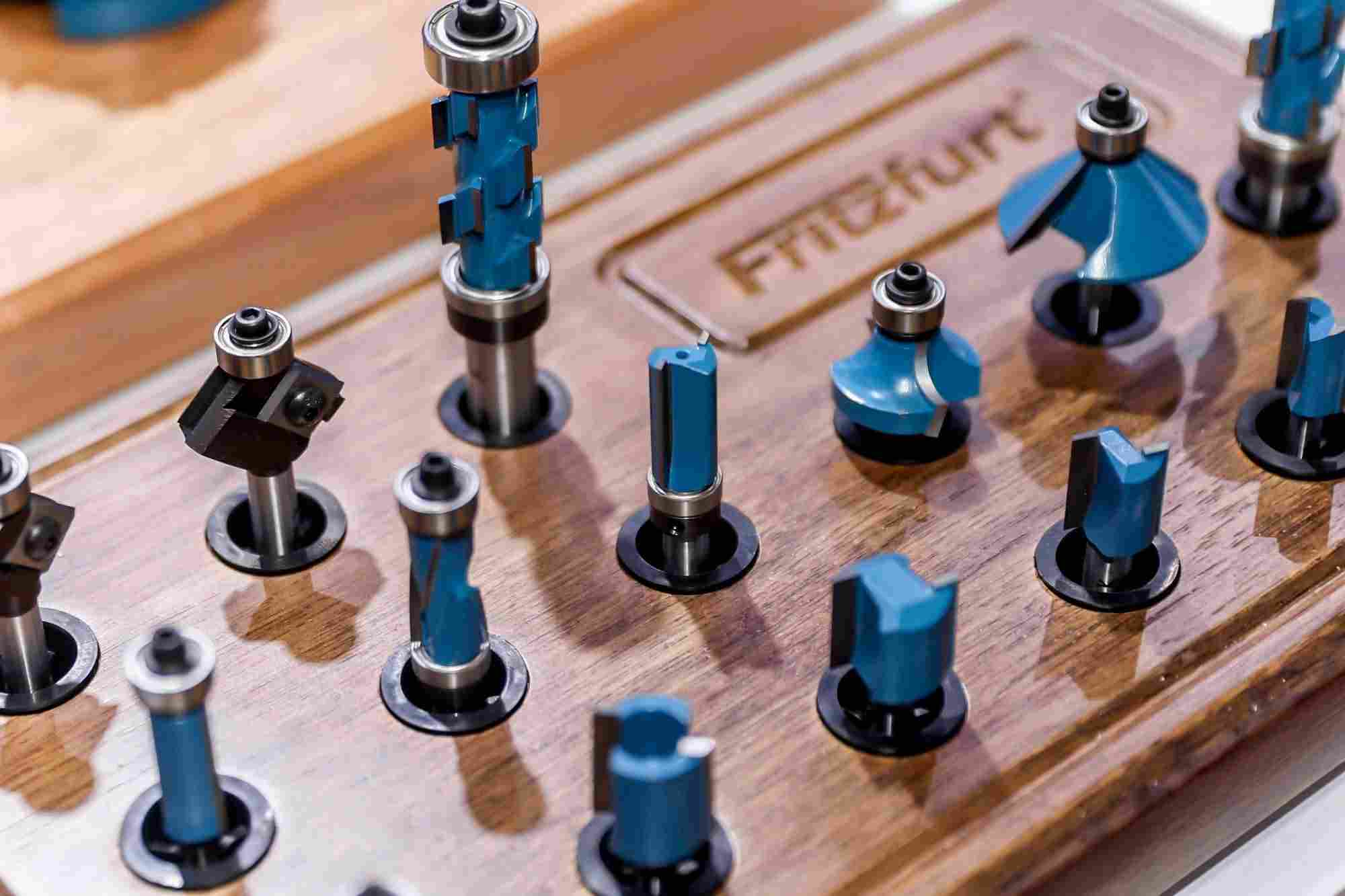
Preparation decides whether three days produce a working shortlist or three days of walking.
1. Write a one-page sourcing brief. Categories, target price band, order quantity, packaging and labeling requirements, the certification your market expects, and the Incoterms you can work with. Every meeting starts better when you hand over one page instead of describing your business for ten minutes.
2. Build a long list, then cut it. Go through the exhibitor list by category and shortlist the booths that match the brief. Leave room for two or three you will discover on the floor, because category adjacencies are easier to see in a hall than on a website.
3. Book meetings before the show. The organizer’s matchmaking service pairs purchasing requirements with exhibitors, and the Hosted Buyer Programme adds support for qualifying international buyers. A pre-booked slot is worth more than a hopeful walk-up on day one.
4. Check your entry paperwork. More than 60 countries currently enjoy 30-day visa-free entry to Uzbekistan, which covers a normal business trip including arrival and departure days. Travelers outside that list need an e-visa, and everyone should confirm passport validity and carry a printed hotel booking.
5. Protect the first day. Fly into Tashkent International Airport, stay within easy reach of Uzexpocentre, and arrive a day early if the schedule allows. A meeting plan that starts four hours after landing rarely produces good decisions.
How to Plan Your Two Days on the Floor
Three days of fair time is really two working days and a closing morning.
Day one is for coverage. Walk the halls by category rather than by aisle number, keep first meetings short, and collect the same five data points at every booth: supplier type, product fit, indicative price, lead time, and the name and role of the person you spoke to. Photograph the sample next to the business card, because by the afternoon the two will have separated in your bag.
Day two is for depth. Return to the shortlist and go deeper on process, capacity and commercial terms. Ask the same questions in the same order at every booth so the comparison holds, and leave the last two hours for the supplier you almost skipped. A booth visited at four in the afternoon often gets a more candid conversation than one visited at ten in the morning, when the team is still performing.
Questions That Separate a Factory from a Trading Company
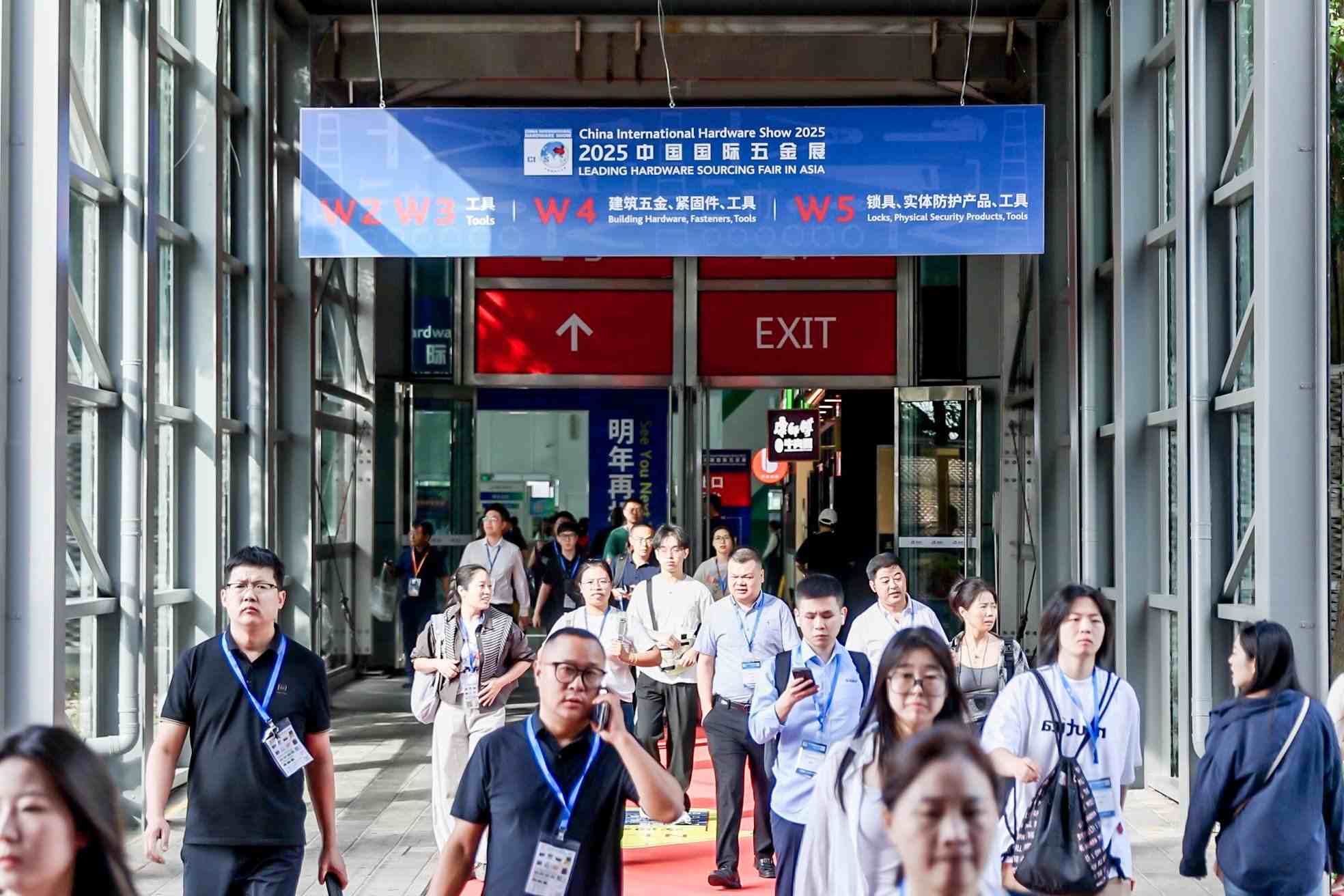
These six questions work in any hardware category. Keep the wording consistent so you compare answers rather than sales styles.
What to ask | What a useful answer contains | What it tells you |
Which production steps run in your own plant? | Machine list, in-house versus subcontracted processes, plant address | How much of the quality you are buying sits under their control |
How is a batch checked before packing? | Sampling plan, test items, records kept, who signs off | Whether quality is a system with evidence or a final visual check |
What is the lead time at my quantity and at three times my quantity? | Line capacity, current order book, changeover time | Whether the quoted date survives a larger order |
Which certificate covers this exact model, and who issued it? | Certificate number, issuing laboratory, model scope, expiry | Whether the document applies to what you are buying |
What happens if a shipment arrives out of specification? | Replacement or credit terms, freight responsibility, response window | Whether after sales is written policy or a verbal promise |
Who manages my account after the fair? | Named contact, backup contact, usual response time | How the relationship is staffed once the halls close |
Some answers can be checked on the spot: a sample, a certificate copy, a short video call to the production line, or a spec sheet whose model number matches the sample. Capacity figures, order books and account commitments remain claims until a factory audit or a trial order tests them. Do not upgrade a confident answer into verified capability. Do not assume a trading company is the weaker option either. A good one consolidates several factories, handles export documentation and absorbs problems that a small plant may not, so the question is which role you need, not which sounds better.
From Business Card to First Order
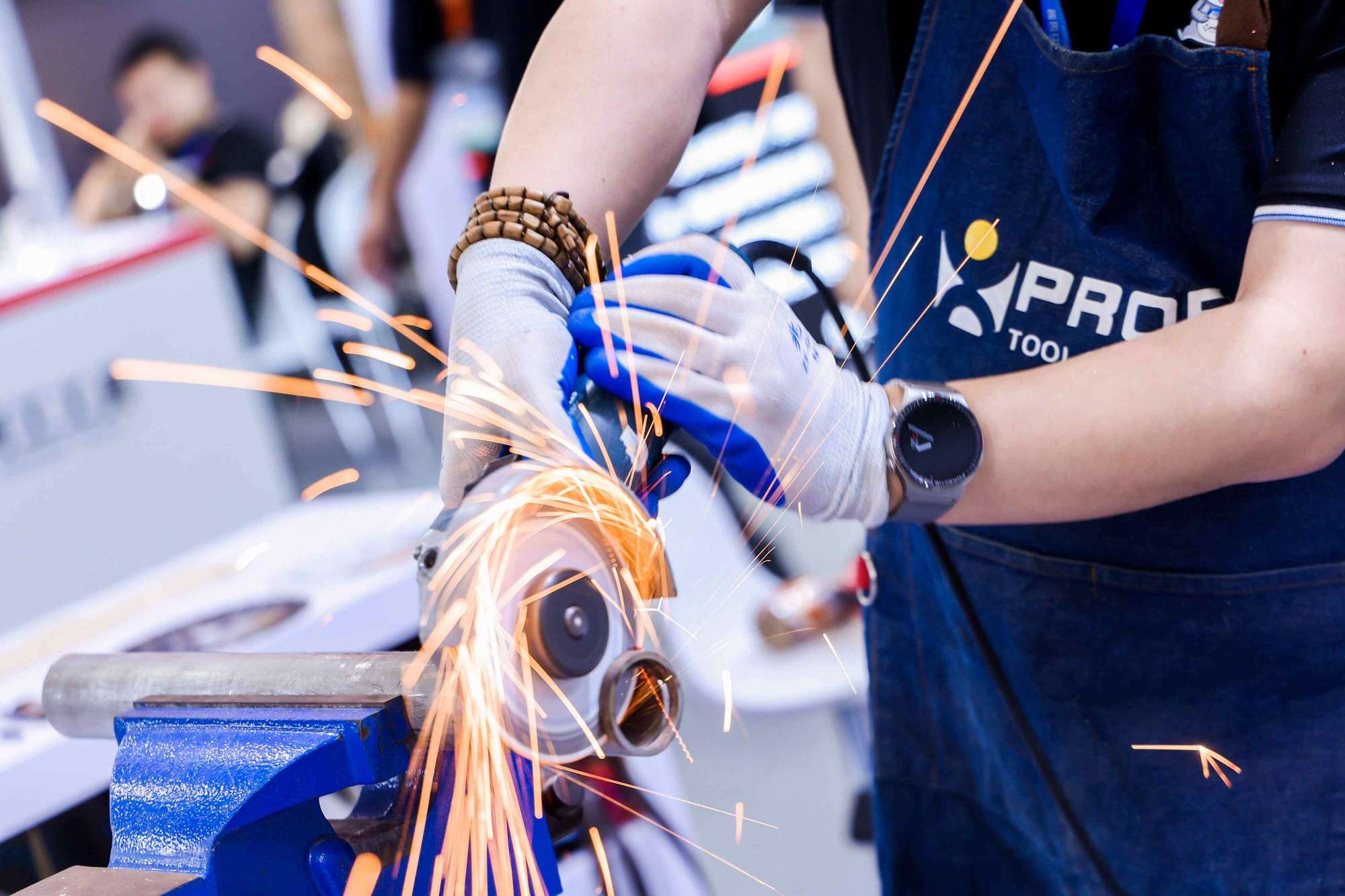
Much of the value of the trip is created after you land back home.
When | What to do | What you are checking |
Within 48 hours | Send a short message that references the meeting, restates your requirement and asks for the documents promised | Whether the supplier replies with specifics or a generic catalogue |
Week one to two | Compare quotations on the same specification sheet, request samples at the agreed cost | Whether the offer still matches the brief |
Day 30 | Review sample results against your own acceptance criteria, chase missing certificates | Whether the quality claim survives inspection |
Day 60 to 90 | Place a trial order, agree the inspection method, set a review point | Whether the supplier performs once money is involved |
This sequence also shows what a first-edition fair can and cannot do. It can put more than 200 suppliers in front of you in three days and let you screen them in person. It cannot give you a visitor history, a record of past deals, or proof that next year’s edition will run at the same scale. Early buyers accept that trade: less certainty about the event, more room to build relationships before a category gets crowded. None of it replaces your own due diligence, which still means an audit, references and a trial order before volume.
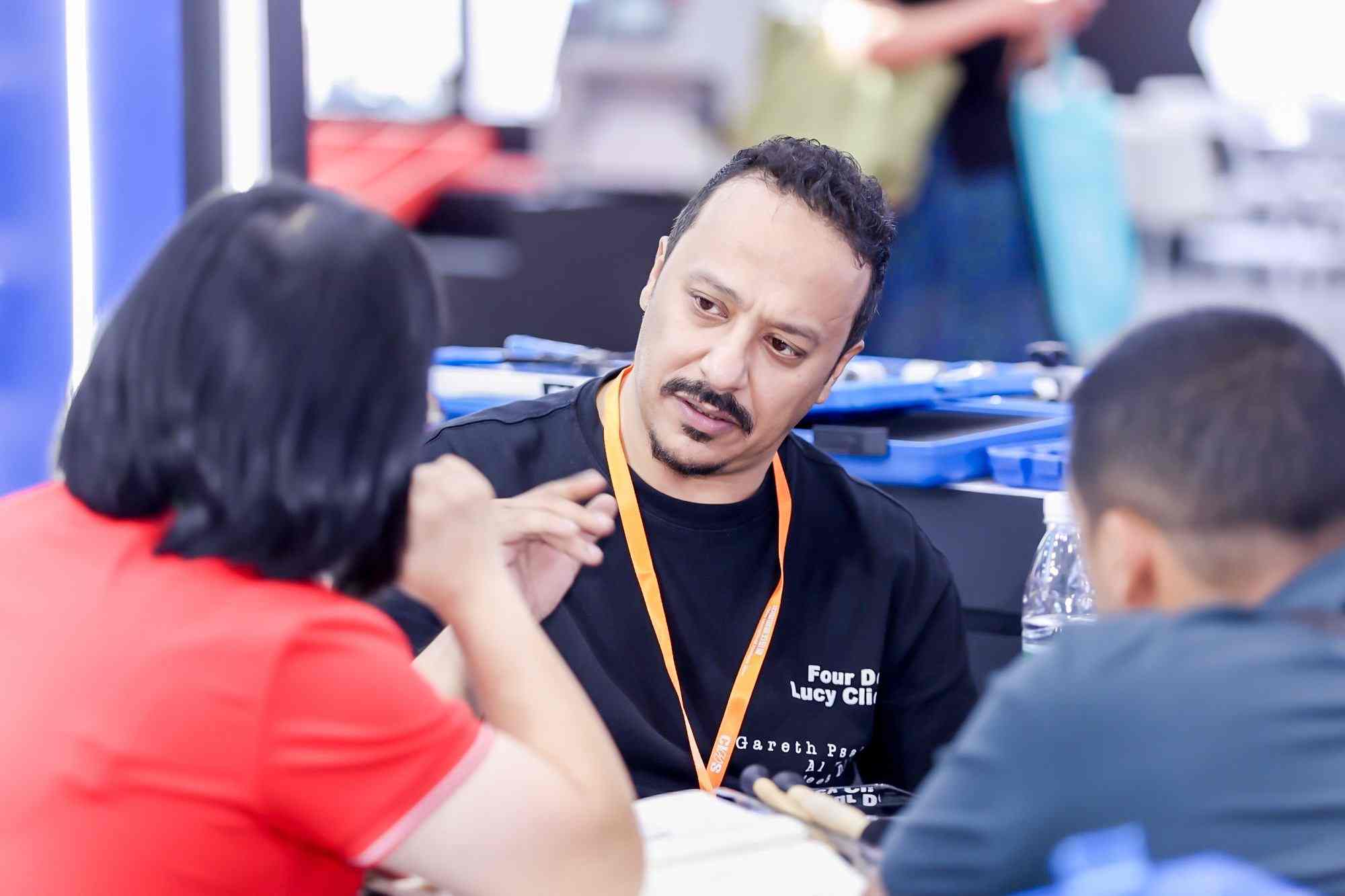
Plan Your Visit and Pre-Book Supplier Meetings
Register for CAIHE 2026 and send your sourcing brief before the matchmaking window closes. Tell us the hardware categories you buy, your typical order quantity, your target price band, the certification your market requires, and the country you distribute in. With that, the team can line up exhibitor meetings that match your list instead of leaving your schedule to chance. Pre registration and Hosted Buyer Programme applications are handled by Koelnmesse: email zoey.yue@koelnmesse.cn or call +86-21-6390 6161 ext. 828. If you are still weighing whether the trip is worth it, the exhibitor list is the fastest way to judge, and it is the one part of the decision you can check before booking a flight.
FAQ
Is CAIHE 2026 worth attending if it is a first edition?
A first edition trades track record for access. You will not find past visitor numbers, because there are none to quote. What you get is a less crowded field where exhibitors have time for real conversations and early buyers can shape relationships before a category becomes competitive. Whether that justifies a flight depends on how well you already know your supplier options in the region. If your shortlist is thin, three days of face-to-face meetings will do more than another month of message threads. If you already have established Central Asian partners, come with a narrow brief and a specific product gap to fill.
Do I need a visa to visit Tashkent for the fair?
Citizens of more than 60 countries can enter Uzbekistan visa-free for 30 days, which covers a normal fair trip including arrival and departure days. Travelers outside that list need an e-visa, and the application is best submitted several weeks before departure so an approval delay does not cost you the flight. Everyone should check passport validity, carry a printed hotel booking and return ticket, and confirm current rules with the Uzbek embassy or consulate before travel, because entry conditions can change between the day you book and the day you fly.
Can I place an order at the fair, or should I wait?
Place a sample order, not a container. A booth conversation confirms interest and rough terms, but it does not confirm capacity, certificate scope, or how the supplier handles a problem. Use the fair to agree specification, price basis and sample cost, then test the sample against your own acceptance criteria before committing volume. A supplier who resists a sample order while pushing for a large first order is telling you something useful. There are exceptions: an existing supplier introducing a new line, or a repeat purchase of a product you already know well.
What should I bring to supplier meetings?
Bring a one-page sourcing brief, business cards, and a way to record evidence. The brief should state categories, order quantities, target price band, packaging and labeling needs, required certification, and the Incoterms you work with. Add a folder for photos of samples placed next to business cards, and keep a simple scoring sheet so every booth is judged on the same criteria. Comfortable shoes and a charged power bank matter more than they sound, because the halls are large and a dead phone at the wrong moment loses a contact.
Contact us
-

Ms. Zoey Yue
+86-21-6390 6161 ext. 828
zoey.yue@koelnmesse.cnMr. Edward Gao
Tel: +86 10 6590 7766-765
Fax: +86 10 6590 6139
Edward.Gao@koelnmesse.cn