


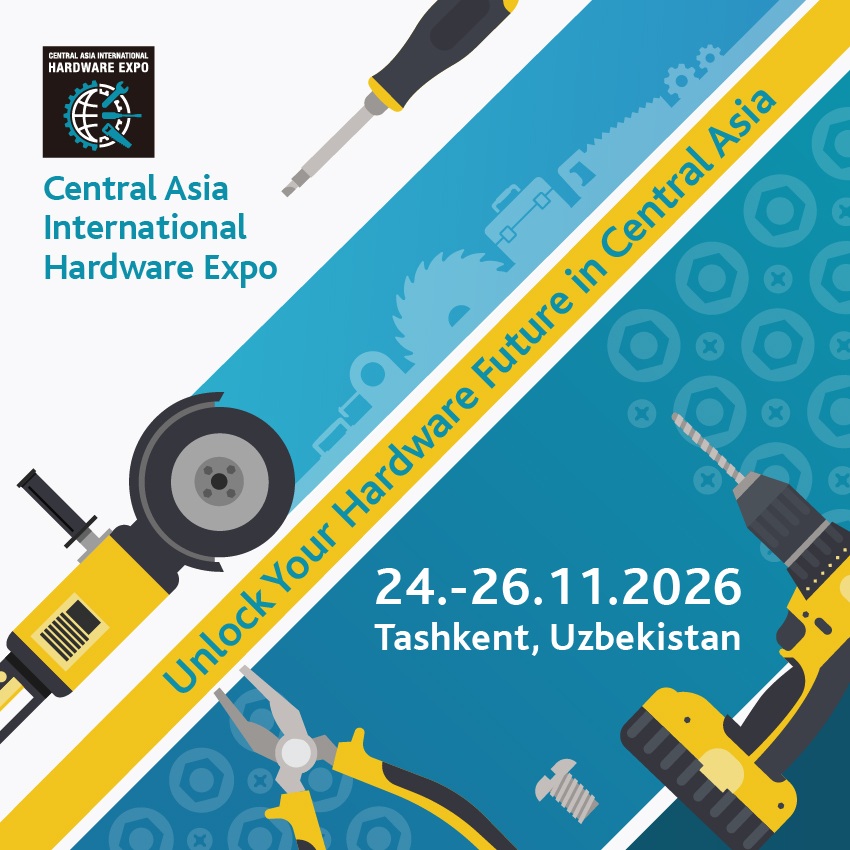
Hardware supply chain partnerships are usually built in a room where a buyer, a factory representative and a local distributor can look at the same sample in the same hour. CAIHE 2026, the Central Asia International Hardware Expo, puts that room in Tashkent from 24-26 November 2026 at Uzexpocentre in Pavilions 3 and 4. It is the first edition of a fair dedicated to the hardware and tools sector in Central Asia, and the first chance for regional distributors and international manufacturers to meet on home ground. This guide covers how to prepare, what to ask, and how to turn three days of meetings into supply agreements rather than a stack of business cards.
Why Tashkent Is a Serious Place to Source Hardware in 2026
Uzbekistan is running one of the larger construction programmes in the region. The current pipeline includes more than 750 large-scale projects and a housing target above one million new homes by 2030. Every one of those sites needs locks, hinges, door closers, fasteners, sanitary fittings, hand tools, power tools and personal protective equipment, and most of that range is imported rather than produced locally.
The demand does not stop at the border. Distributors from Kazakhstan, Kyrgyzstan, Tajikistan and Turkmenistan already buy through Tashkent because the city has the warehousing, the wholesale markets and the flight connections. A supplier who signs one capable distributor in Tashkent is often signing a route into four more markets, which is why regional buyers treat the city as a sourcing base rather than a day trip.
Programme targets are not purchase orders. The number that matters for your own business plan is the count of distributors able to pay for a container and resell it at a margin, and that is exactly what a trade fair lets you assess in person. CAIHE is organized by Koelnmesse and Inter Dialog, with the China Chamber of Commerce for Machinery and Electronic Products (CCCME) and the Chamber of Commerce and Industry of Uzbekistan (CCI Uzbekistan) as partners, which is the reason the exhibitor base skews toward manufacturers already exporting rather than first-time traders.
What a First-Edition Fair Can and Cannot Prove
A debut edition gives you a real exhibitor list and no attendance history. We will not quote visitor numbers we do not have, and you should be sceptical of anyone who does. What you can do is sort the evidence you collect by what it actually supports, so that a good conversation does not get mistaken for a verified supply chain.
| What you collect | What it can support | What it cannot establish |
|---|---|---|
| Catalogue and indicative price list | Range, positioning and rough price band for your market | Production capability, capacity or the price you will actually be quoted |
| A certificate copy | That a document exists and to whom it was issued | That your specific model and configuration are inside its scope |
| A display sample | Finish, feel and function of that one unit | Lot-to-lot consistency across a production run |
| A factory video call | That a production floor and process exist | Capacity for your volume, or conditions on the floor when the camera is off |
| A meeting with an export manager | Responsiveness and how the company communicates | Delivery performance on your order |
Treat the fair as the strongest screening step available in this region, not as technical acceptance of a supplier. A display sample tells you whether a factory can execute a finish. It does not tell you whether the tenth container will match the first. Write that distinction into your notes while you are still at the booth, because after three days of meetings it becomes easy to remember a conversation as a confirmation.
How to Prepare Before You Fly to Tashkent
The buyers who get the most from a new fair arrive with a shortlist and a question list, not with an empty notebook.
1.Work the exhibitor list two to three months out. Filter by the categories you actually turn over, then email eight to twelve companies with a short brief: product categories, target price band, annual volume, certification requirements and destination market. Ask for a catalogue, MOQ, lead time, Incoterm and payment terms in the same message. The replies you receive before the show already separate organised exporters from traders reading email on the stand.
2.Fix the travel paperwork early. More than 60 countries currently enjoy 30-day visa-free entry to Uzbekistan, so most buyers need nothing beyond a passport with enough validity, a return ticket and a hotel booking. Buyers from countries outside that list should apply for an e-visa well before departure rather than at the last minute.
3.Book two full days on the floor, ideally three. A single day is enough to walk the halls and not enough to hold a second meeting with the four or five suppliers that matter.
4.Pack a reference sample of the product you sell today, plus your own specification sheet. A physical comparison against an exhibitor’s sample settles in thirty seconds what a month of email cannot.
What to Ask a Supplier Before You Discuss Price
Price is the last field in a hardware RFQ, not the first. The fields below decide whether the number on the quotation refers to the same product you plan to resell.
| RFQ field | What to request | Why it matters |
|---|---|---|
| Product identity | Model or part number, material grade, finish and plating thickness | Prevents a look-alike substitution in a different steel or plastic compound |
| Measurement basis | Which dimensions are controlled, the tolerance band and the instrument used | A nominal size of 150 mm hides whether the band runs plus or minus half a millimetre |
| Certification scope | Exact certificate, issuing body, model coverage and validity | A certificate issued for one model does not cover the rest of the range you order |
| Packaging | Carton configuration, inner pack count, barcode and label language | Retail-ready packaging changes landed cost per unit and shelf fit |
| Commercial terms | MOQ, lead time, FOB or CIF, payment split | EXW and CIF shift freight risk and cash flow between you and the supplier |
| Change control | How the factory notifies a component, supplier or process change | Unannounced substitutions are the usual reason a repeat order feels different |
A vague request produces a vague quotation, and vague quotations are how a first order becomes a quality dispute. Replace this line: “Please send your best price for 1,000 pieces.” With this one: “Quotation request for model X, material and finish, tolerance on the mounting hole, certificate scope, carton configuration, MOQ, lead time, FOB and CIF Tashkent, and payment terms.”
How to Vet a Supplier You Just Met
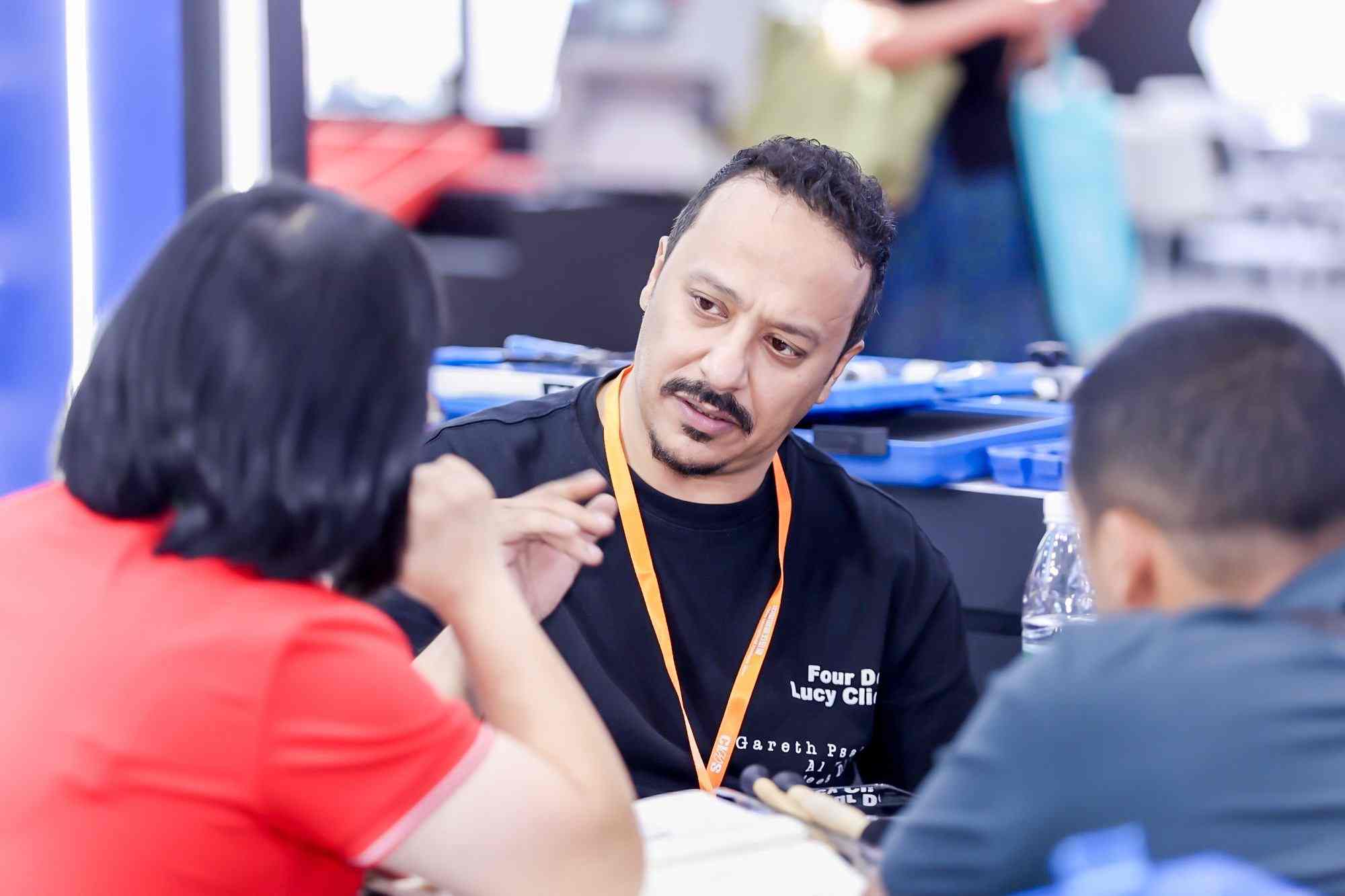
Decide at the booth what kind of company you are talking to. A manufacturer controls process and price but usually asks for a higher minimum order and has less flexibility on mixed containers. A trading company offers range, smaller quantities and faster consolidation, and gives you less visibility into where the goods are made. Neither is wrong; mixing them up is.
Move through four checks in order. First, ask the supplier to walk you through the production steps for your specific item, from raw material to packing. Second, request a sample against your written specification and pay for it, because a free sample from the display rarely represents a production lot. Third, verify the certificate against the exact model and ask who the holder of the certificate is. Fourth, agree in writing what a trial order must demonstrate to become a repeat order: dimensions within tolerance, packing matching the approved artwork, and delivery within the confirmed window.
For a first container of significant value, a third-party inspection before shipment costs money and buys a documented reference point for every later order. For small trial quantities, the sample plus a protected payment method usually covers the same risk at lower cost. Choose one of these before you leave Tashkent, not after the goods arrive.
Turning Three Days of Meetings into Orders
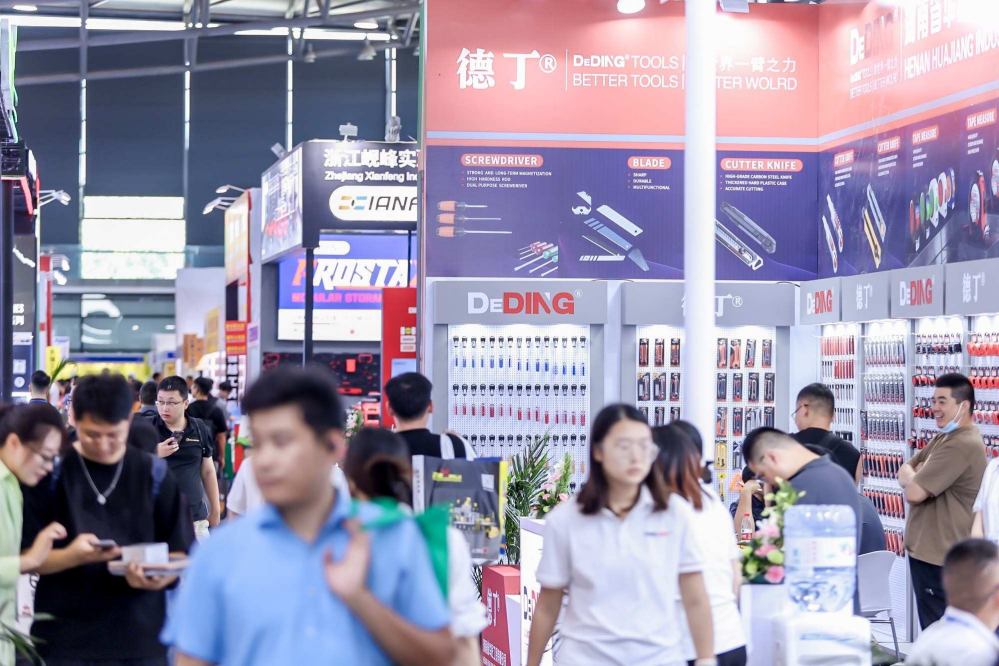
Few partnerships close on the stand. What a fair compresses is the first two steps: identifying the right suppliers and forming a first judgment about whether they can deliver. The rest is follow-up discipline.
Send a written summary within 48 hours of each meeting: who you spoke to, what was quoted, which fields are still open, and the next action with a date. Suppliers who reply with corrections and documents within that window are showing you their order-handling behaviour before you have paid anything.
Then run a simple 30/60/90 plan. At 30 days you should have samples in hand and a shortlist of two or three suppliers per category. At 60 days you should have a trial order placed with defined acceptance criteria and shipping terms confirmed. At 90 days you should know whether the supplier holds the tolerances and the delivery date, and whether a second, larger order is justified.
Keep one scorecard across all suppliers, with columns for quotation completeness, sample match, document clarity, responsiveness and delivery. Scorecards matter most when everything is new, because in a first year of sourcing your memory of a conversation is the least reliable evidence you have. Plan to return for the next edition with a portfolio review rather than a blank sheet.
Plan Your Visit Around Your Purchasing List
The most useful thing you can do before November is to write down what you actually buy. Send us your product categories, target price band, annual volume, certification requirements, preferred Incoterm, and the markets you distribute in. With that list in hand we can tell you which exhibitors to see first, so that three days in Tashkent are spent in meetings rather than walking aisles.
Register your visit for CAIHE 2026, 24-26 November 2026, Uzexpocentre, Tashkent, then send your purchasing list to zoey.yue@koelnmesse.cn or call +86-21-6390 6161 ext. 828.
FAQ
Is CAIHE 2026 worth attending if it is a first edition?
Yes, if you are early rather than cautious. A debut fair means shorter queues at the stands and more attention from exhibitors who are also building a new market, which often produces better terms on a first order. It also means no attendance history to check and a smaller exhibitor list than an established European or Chinese show. Go with a shortlist and a written RFQ, and treat the trip as the start of a supplier search rather than the end of one.
How many exhibitors will be at CAIHE 2026?
The fair is being built around more than 200 international exhibitors across tools, hardware, fasteners, building hardware and industrial accessories. The final list is published before the show opens, and it is worth checking the categories against your own purchasing list rather than against the total count. A smaller number of relevant exhibitors is more useful to you than a large number in categories you do not sell.
Do I need a visa to visit Tashkent for CAIHE 2026?
Citizens of more than 60 countries can enter Uzbekistan visa-free for up to 30 days, which covers a normal fair trip including travel days. Check your own passport against the current list before booking, confirm that it has sufficient validity, and carry your return ticket and hotel booking. Buyers from countries outside the visa-free list should apply for an e-visa several weeks ahead rather than relying on arrival processing.
What should I bring to a first meeting with a hardware supplier?
Bring your own specification sheet, a sample of the product you sell today, your target price band and annual volume, and a written list of the certificate and packaging requirements you need. Bring the RFQ fields above in printed or digital form so every supplier answers the same questions. The goal of a first meeting is a comparable quotation, and comparability comes from asking identical questions in the same order.
